Food is at the interface of culture, science economics, religion, and personal identity in ways that few other aspects of daily life could match. What people eat and where it comes from, how it's made, and the effects it can do to our bodies is a subject that draws more serious attention with every increasing year. The nutrition and food landscape of 2026/27 has been shaped by technological advances, increasing awareness of the environment, a shift in preferences of consumers and a technology-based sector that has identified food as one of the largest transformation opportunities of the coming decades. Here are the ten major food and nutrition trends you need to be aware of as we move into 2026/27.
1. Personalised Nutrition Transitions From Concept To PracticalThe idea that optimal nutrition will differ for different people by genetics, gut health, microbiome composition and lifestyle variables has been developing in the research literature for several years. In 2026/27, the instruments to act on that idea are becoming more accessible than specialist health clinics as well as elite athletes. In the marketplace, platforms for consumer use that combine genetic tests continuously monitoring glucose levels, microbiome analysis, and AI-driven dietary recommendations are reaching popular markets. The one-size fit-all nutritional guideline is still in use, but it is increasingly being complemented by guidelines that are tailored to the individual rather than the general population.
2. Gut Health Remains The Keystone To Mainstream Nutritional ThinkingThe gut microbiome, which is the massive microorganism community living in the digestive system, has grown to be one of most extensively studied areas of nutritional science, and these findings continue to ripple outward to influence how people think about their food choices. It is believed that gut health can influence functioning of the immune system, mental wellbeing, metabolic health, and inflammatory disorders have driven the intake of fermented foods as well as dietary fibre, and prebiotic and probiotic products from the shelves of health food stores to regulars to mainstream supermarket selections. Understanding of gut health among consumers is a bit hazy and the market for supplements particularly is susceptible under-reporting, however the science is established and growing.
3. Plant-based Eating Grows And DiversifiesThe initial line of meat substitutes made of plants made to replicate the taste and texture as close to it as is possible and has grown to become a much more diverse array. Whole food vegan eating, made up of legumes, vegetables along with grains, nuts and seeds in less processed form, is growing with the constant development of more advanced alternatives to proteins. The motivation is shifting too. Environmental impact, health outcomes as well as animal welfare are all a part of the equation often in tandem. In 2026/27, plant-based food is more than a binary statement, but more of a diverse range that an increasing percentage of read this people are interacting to various degrees.
4. Protein Demand Drives Innovation Across Multiple CategoriesProtein is now considered to be the most important macronutrient for commercial use in the food sector, and the race to meet growing consumer requirements for it has prompted innovation across a broad spectrum of sectors. Precision fermentation, which utilizes microorganisms, which produce animal protein without the animal increasing the amount. Insect protein, still navigating significant cultural resistance in Western markets, has found acceptance in specific processed food applications. Proteins derived from algae, single-cell protein made from agricultural waste and continued development of legume-based protein options are all part of a diverse protein which reflects an environmental imperative as well as a commercial opportunity.
5. Ultra-Processed Food Faces Growing Regulatory PressureThe research that links high consumption of foods processed with ultra-high levels of processing to several adverse health effects has grown to the point that regulators' response is beginning to follow. Warning labels, advertising restrictions specifically targeting children and schools, health standards for food and public health programs specifically targeting ultra-processed food consumption are gaining momentum across several countries. The food industry is responding to the changing times with reformulation efforts that vary in degree of sincerity. Consumer awareness of the ultra-processed food group has been growing, even though alteration at a population level is difficult to attain. The direction that policy is heading is clear, even if the pace is contested.
6. Food Waste Reduction Becomes A Serious PriorityAbout a third of the food produced globally is lost or wasted, representing huge environmental, economic and ethical disaster. In 2026/27, the issue of the problem of food waste will be attracting significant interest from retailers, governments and food service operators as well as technology developers. Dynamic pricing for food as it approaches its use-by-date Demand forecasting based on AI that reduces overproduction, apps that connect surplus food with charity and consumers, and innovation in packaging that increases shelf life all contribute to a tangible shift. For consumers, normalising imperfect food, planning meals more carefully and eating better that have significant effects at a scale.
7. Functional Foods & Beverages Go MainstreamDrinks and foods designed to deliver specific health benefits beyond simple nutrition have moved beyond the aisle of health food. Cognitive function is a key factor, as are sleep quality the management of stress, immune support, and energy without the crash that is associated with conventional stimulants are all being targeted by the majority of food and beverages that include adaptogens as well as nootropics. certain minerals and vitamins and bioactive substances. The line between food, supplements, and pharmaceuticals is getting blurred in a few categories, creating doubts about the validity of evidence quality, regulations, and the extent to which claims regarding functional effects are verified. The appetite of consumers, however, isn't slowing down.
8. Local And Regenerative Food Systems Attract Recurrent InterestGlobal food supply chains have shown some degree of fragility during recent episodes of instability, and the reaction has been characterized by renewed the desire to create shorter, more robust community-based systems of food production. Farmers markets, community-based agriculture schemes as well as direct-to-consumer food business have all risen. Alongside localism, regenerative agricultural methods for farming, which aim to improve soil health, increase biodiversity, as well as sequester carbon instead of merely maintaining yield, is attracting serious public and private investment. It is a challenge to expand these approaches without losing what makes them effective and this is one of the main issues facing the food system over the coming decade.
9. AI And Technology Transform Food Production and Food SafetyArtificial Intelligence is being applied throughout the food chain in ways that are starting to produce tangible outcomes. Precision agriculture that is based on AI-driven analyses of satellite images soil sensors, soil sensors as well as weather data is increasing yields while reducing input use. AI-powered food safety monitoring is detecting quality and contamination issues more quickly than conventional inspection methods. In the process of developing products, AI is accelerating the discovery of new ingredient combinations, flavour profiles and formulations that would have taken years to develop by trial and error. Food industry is a technology-driven sector in ways that are not often visible to the consumer, but are reshaping efficiency and safety throughout the supply chain.
10. Mindful And Intentional Eating Challenges Diet CultureA profound shift in our culture is taking place in the way people relate to food and their psychological responses. The long-standing dominance of diet-based culture, with its emphasis on restricting food intake or calorie count, as well as moral judgments relating to food choices, is now being changed by approaches that emphasize an awareness of hunger and satiety signals enjoyment, variety, and a nonpunitive relationship to eating. The concept of mindful eating, intuitive eating practices, and an overall rejection of restriction and guilt cycle are now gaining recognition in the mainstream, particularly among those who are younger and have grown to be more aware of conversations about the connections of diet-related disordered eating and the culture that surrounds it. The change has its own complexities, however it's a significant shift of how health and nutrition are considered in the context of.
The food and nutrition trends of 2026/27 reflect a world grappling at the same time with scarcity and abundance with incredible scientific possibilities as well as the unsettling challenges of habitual eating, cultural, and economic constraint. The above trends don't indicate a single and unified future for what we eat but they do indicate an direction that is towards greater personalisation, environmental responsibility, and a healthier relationship between what we eat and the way we feel about eating it. For more info, head to these reliable vozdirecta.net/ and find trusted reporting.
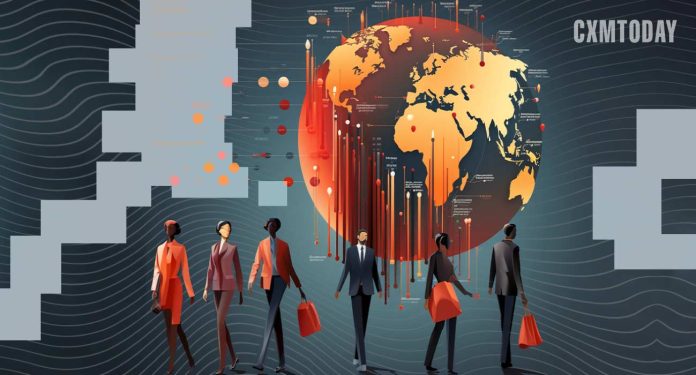 The 10 Career Development Developments Shaping The Future Of Work In The Years Ahead
Job market is undergoing one of the most important modifications in recent times. Artificial intelligence and automation are changing the way jobs are done, determining which require human participation and which not. The geographical distribution of work has been shifted by hybrid and remote systems that have dissociated work from geographic location in ways which are still being played out. The skills that employers most consider valuable are changing faster than educational institutions can adapt to reflect. The relationship between people and organisations is evolving away of the long-term, mutual commitment model, towards something that is greater in fluidity, less negotiated and more dependent on continuously demonstrated value. Here are the ten career change trends that will affect the job market heading into 2026/27.
1. AI Literacy Becomes A Universal Professional RequirementWorking effectively in conjunction with AI tools is rapidly becoming a standard expectation for professionals across all industries rather than being a niche skill limited to tech-related roles. Understanding the capabilities of AI, what AI can and cannot do reliably and creating effective workflows and prompts as well as how to critically evaluate the results of AI and how to seamlessly integrate AI tools into the professional environment effectively are all skills that employers are beginning to treat as essential instead of optional. The professionals who thrive are not necessarily those who comprehend AI best at a technical level but those who have solid expertise in the field and the ability to use AI tools effectively within their field.
2. Skills-based Hiring Replaces Credential-Based SelectionAn increasing number of employers are moving away from using credentials for education as a primary factor in making hiring decisions towards assessing real-world skills and demonstrated capabilities. The realization that a degree earned from the same institute is no longer a valid representation of the abilities needed for the job is driving the need for investment in skills assessments and portfolio-based hiring. They also offer tests and competency frameworks that measure what candidates are actually able to accomplish, rather than their qualifications. For individuals, this means both an opportunity and a responsability: an opportunity to compete with demonstrated capability regardless of their educational background and the obligation to develop and maintain that capability over time.
3. A Half-Life Of Skills Shortens DramaticallyThe speed at which specific technological skills become obsolete is rising, driven in part by the speed of AI development, but also due to the overall speed of change across industries. Skills that were considered competitive in the past are not common needs today, and abilities that are innovative today may be replaced by technology or machines within the same time frame. It is causing a paradigm change in the way career development is approached, shifting away from the notion of acquiring an unchanging body of knowledge and trading on it over a period of time, to one that is constantly learning, regularly assessment of skills, and proactive planning ahead of where demand is moving rather than where it was.
4. Portfolio Careers And Non-Linear Paths Get MainstreamThe notion of a linear path through a single company or even a single industry starting at entry and ending in retirement is no longer the way that most of people's careers actually play out and is losing its credibility as the standard of aspirational choice. Portfolio careers that combine multiple income streams, working freelance alongside employment, continuous changes between fields along with extended breaks for education or caregiver progress are becoming more and more common and are becoming more widely accepted to employers. Employers have learnt to interpret diverse careers for evidence of scalability rather than insecurity. Being able to communicate an encapsulated narrative that connects varied experiences is becoming a vital professional communication skill.
5. Remote And Distributed Work Reshapes Career GeographyThe geographical restrictions regarding career progression have been eased significant for roles that could be completed remotely, and it is still evolving. Professionals from smaller cities and regions can now be able to work in roles as well as organizations that have required relocation. Talent markets have become increasingly at a competitive level as employers can recruit local rather than globally for many jobs. The advantages to being physically present in major professional hubs has diminished for some tasks, yet they are important for other positions. In order to manage working in a mutable world and deciding what proximity means and when it is not, and how to maintain the visibility and opportunities for advancement in teams that are scattered, is essential and new skill for professionals.
6. Personal Branding goes from optional to EssentialThe ability to showcase a professional's skills, expertise and experience beyond the borders of their current employers has been a valuable personal asset that were not the case for the few remaining in previous generations. Building a professional reputation through the creation of content such as public speaking, involvement, and an active presence in professional networks can provide insurance against organisational change and the possibility of a more flexible career path that only internal development can't provide. It's not necessary to become a well-known social media celebrity. However, having enough visibility externally to make sure that appropriate opportunities such as collaborations, opportunities, and connections come to you independent of one particular employer is becoming standard career guidance rather than an optional accessory for those who are especially ambitious.
7. Emotional Intelligence And Human Skills Command is a mustAs AI becomes more adept at performing cognitive tasks that used to require human expertise, the capabilities that remain distinctively human are gaining a greater value in the labour market. Emotional intelligence, which is the capacity to manage, understand, and respond appropriately to emotions among others and oneself, is one of the frequently acknowledged differentiators in the roles that require leadership, client relationships, negotiation, team management and sophisticated communication. Insight, creativity and the ability to deal with ambiguity, and the capacity to establish trust are all attributes that AI augments rather than replicates. Professionals that combine strong understanding of the domain and technical aspects along with human competencies that are well-developed are now in the most defended sector of the market for employment.
8. Wellbeing and Psychological Safety are Retention ImperativesThe main factors that influence talent selection have changed dramatically to focus on what is the quality of the workplace surroundings, the psychological wellbeing of the team, the effectiveness of management, as well as the degree of alignment with the values of each individual. Compensation is still a major factor, but is increasingly insufficient as a standalone retention tool for the people who are most sought-after. Businesses that invest in wellness, in quality management within a work environment where employees are comfortable contributing their fullest and express concerns without fear will always outperform companies that rely on financial incentives only. For individuals, assessing their psychological context of an employer with the same attention to progression and compensation has become the norm for career advice.
9. Success in Mentorship, Sponsorship, and Mentorship ValueIn a job market characterized by rapid advancement, the significance of relationships with experienced professionals who can provide an insight or advocacy, as well accessibility to career opportunities that are not well-known has grown instead of decreased. Mentorship, where a more knowledgeable professional provides information in direction, as well sponsors, where a senior advocate actively promotes opportunities and puts their credibility behind an individual's progress as well as sponsorship, are both gaining renewed attention as career development instruments. Reverse mentorship, where more junior professionals share expertise in areas such as technology, social platforms, and emerging cultural trends with senior colleagues, is also growing as a valuable and relationship-building practice that benefits both parties.
10. The Purpose and Meaning of Career Choices In A Growing cohortThe proportion of employees taking career decisions driven by the desire for an enjoyable job, a sense of alignment between personal values and the organizational mission, and the sense the value of their contribution beyond the business output is increasing. This is most evident among those in the younger age group, but is not only a matter of age. Organisations that can offer genuine goals and objectives, in conjunction with competitive conditions, as well as demonstrate the truthfulness of their mission rather than simply proclaiming them, are always able to attract and keeping the best people capable of contributing to their mission. The interplay between career and purpose has its own challenges However, the direction of moving towards a workforce that values more than a transaction and is becoming more willing to select actions that mirror that expectations.
In 2026/27, career development requires an increased level of active engagement, constant learning, and more controlled self-control than at other times in the history of work. The trends above do not provide a straightforward path to follow but they do make the way more apparent. Professionals who comprehend where value is evolving through the years, develop capabilities which will be distinctively human Develop visible expertise and see their careers as ongoing projects rather than established arrangements will gain plenty of opportunity in this new landscape than fear. The market for employment is changing fast, but it is not just changing in a random manner. A direction is in place, and those who can identify it earlier will gain an advantage. For further context, browse a few of the most trusted pressepulse.de/ to read more.
